Villino Puccini, Viareggio

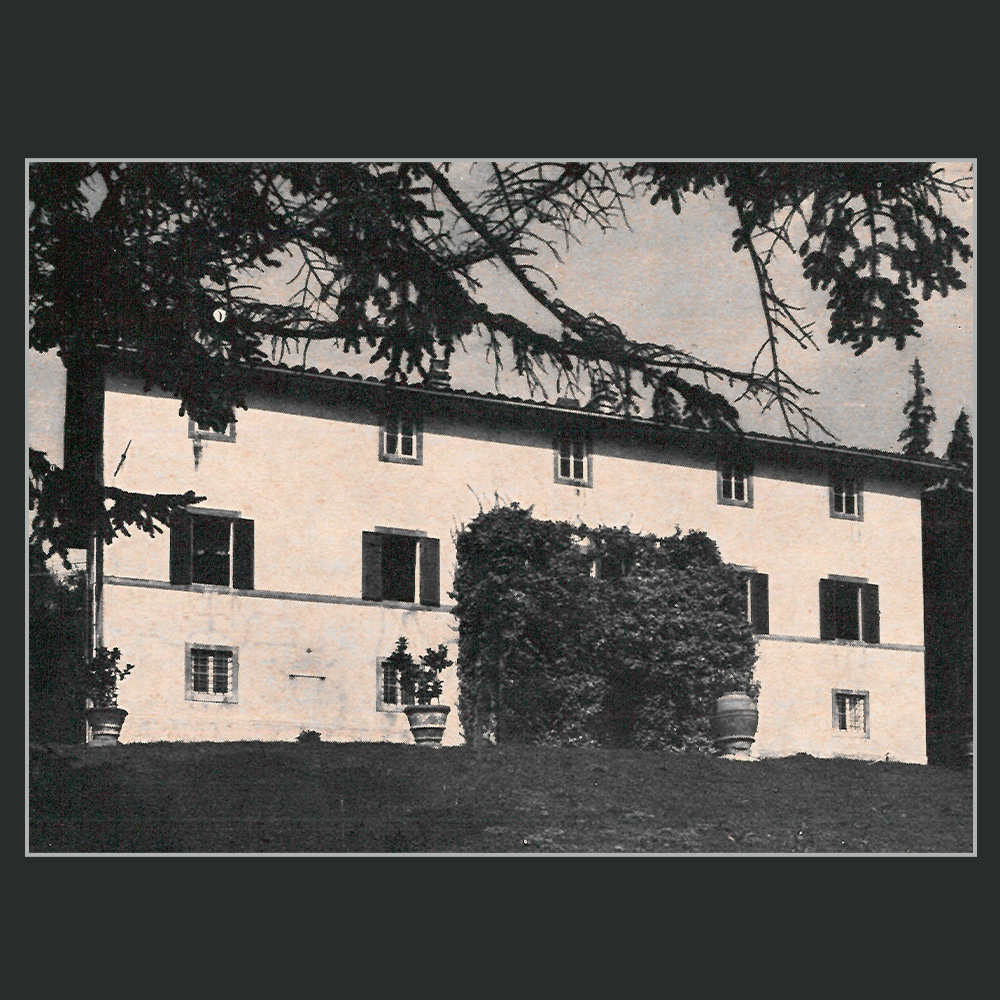
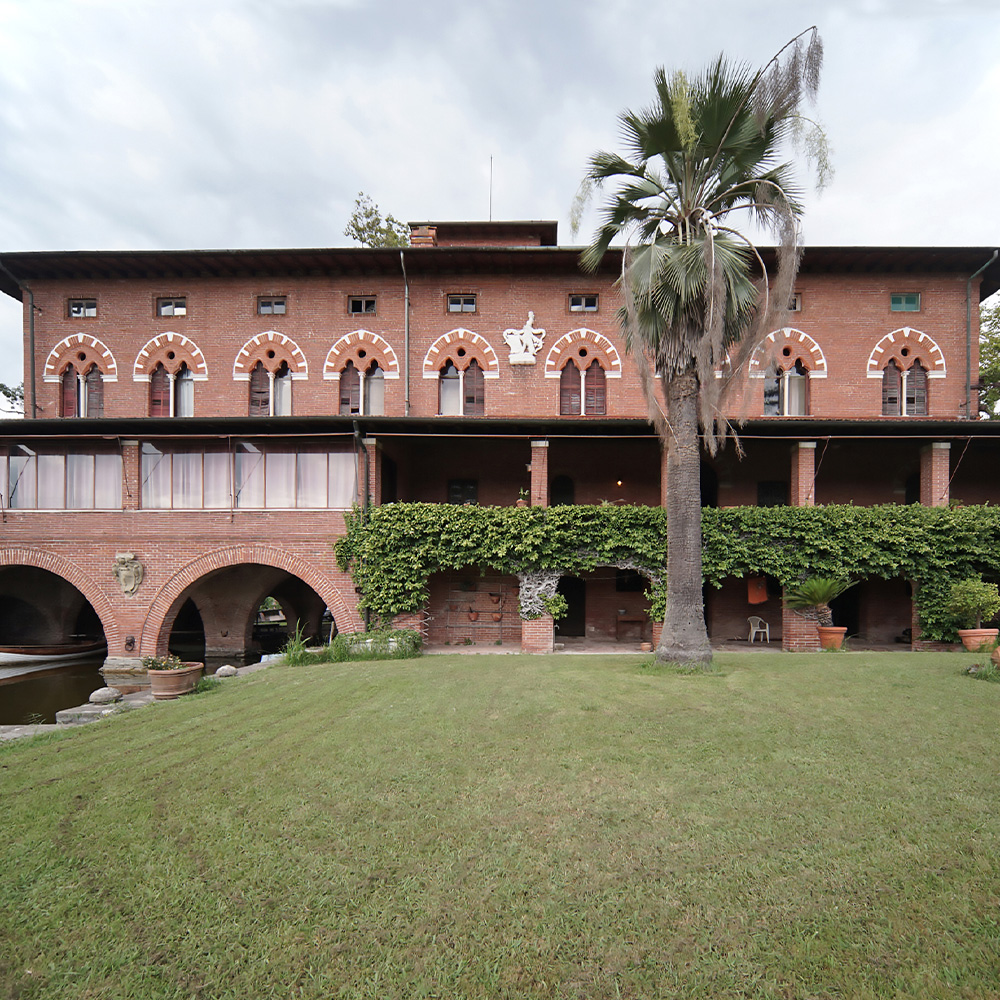
In 1915 Puccini had bought land in Viareggio, overlooking the pine wood, and a few years later he entrusted the task of designing the villa and the annex to the architect Vincenzo Pilotti, a professor at the University of Pisa, and ingegnere Federigo Severini. The work went on for about two years, and Puccini was able to move in at the end of December 1921.
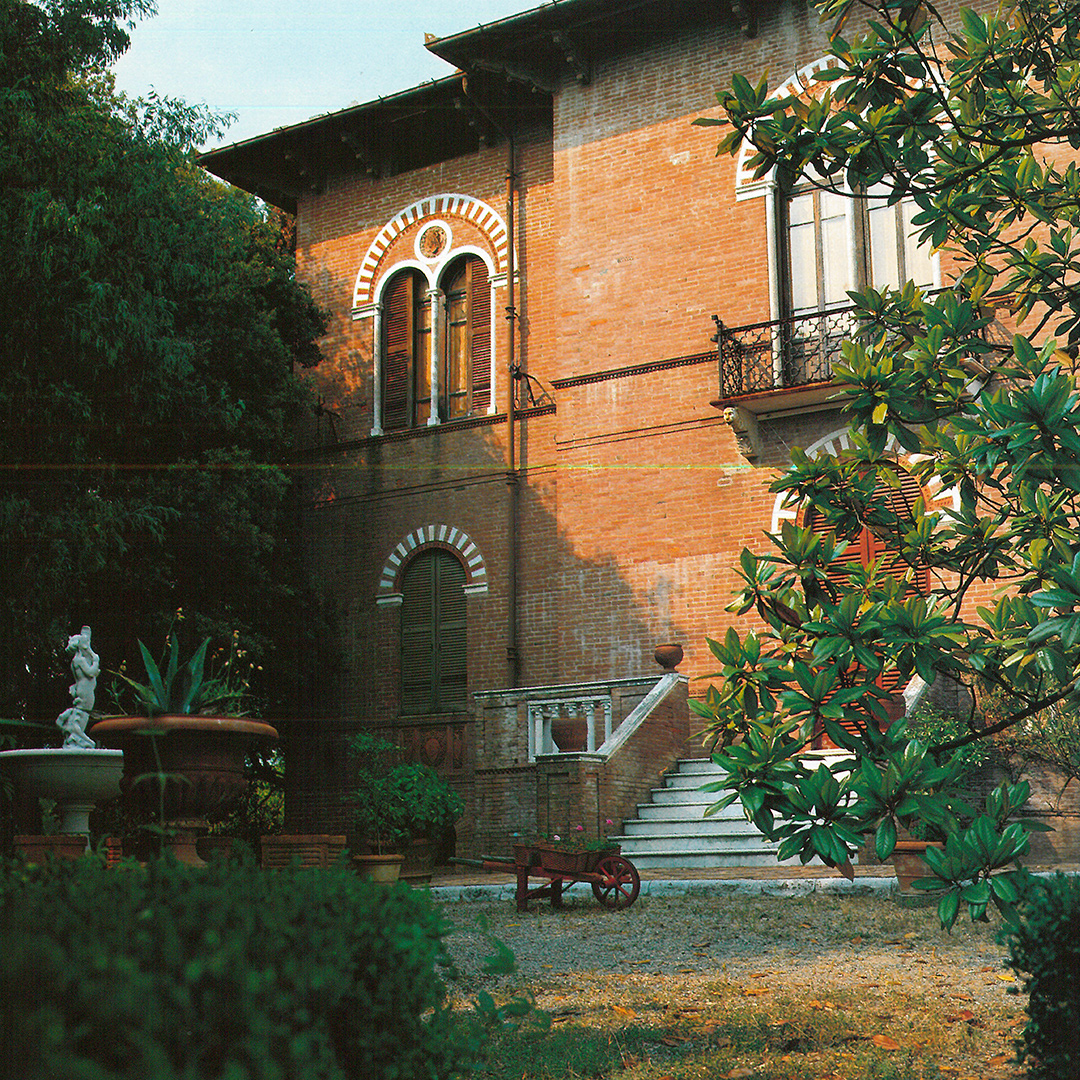
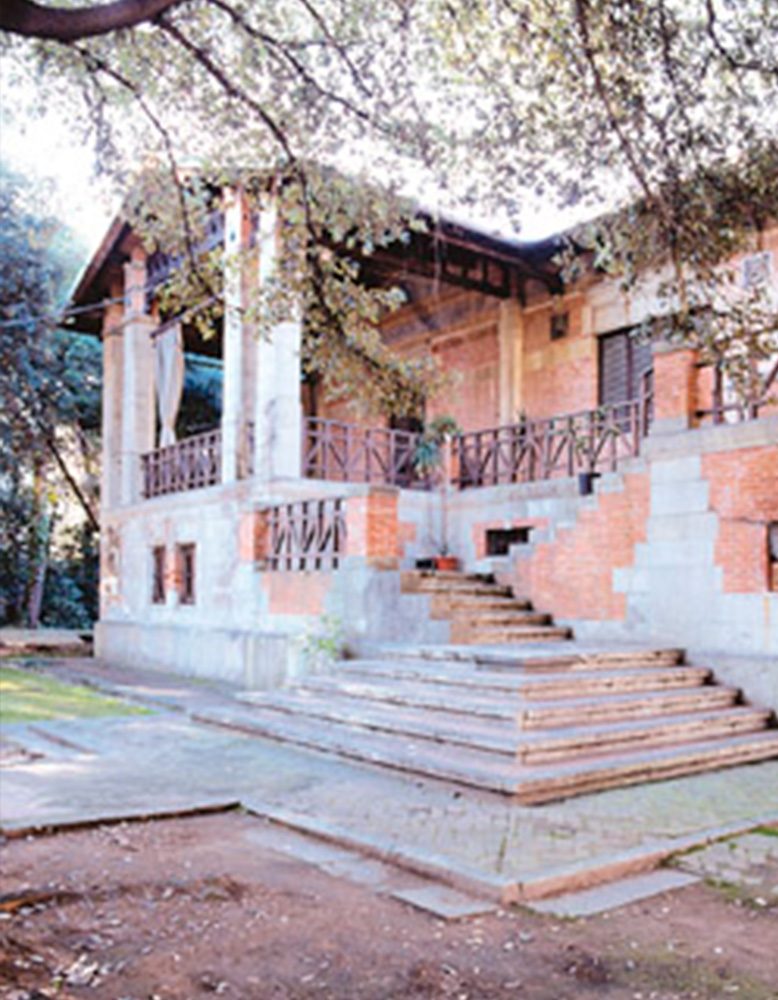
The villa has a well-organised plan and consists of a main floor and a basement occupied by service rooms and the study of the Maestro. The main facade, facing Via Buonarroti, is characterized by a projection consisting of an open porch forming a veranda with stone pillars and wooden screens which is accessed by a monumental double ramp flight of steps. The prospects are qualified with “visible” stone and brick cladding framing a series of doors and windows with architraves and archivolted segmental arches. The north and east elevations are adorned, in the fascia crowning the attic, with bright ceramified gres tiles depicting masks and decorative elements in relief.
Inside the layout of the rooms, originally accompanied by a modern heating system with radiators, appeared neat and functional for the requirements of the Maestro: an internal wooden staircase connected the bedroom with the studio, in the basement, furnished with two armchairs on either side of the fireplace and – relying on the description of Guido Marotti, who attended the house on a daily basis – with “a table with green baize, the Steinway grand piano [which is now preserved in the Birth Home Museum of Lucca], covered in damask and a lot of things, all the trinkets that were in Torre; from the study, through a small door in opaque glass, you enter the living room, which is dominated by red: a corner sofa with red cushions and walls covered in red, dark-coloured furniture, antique tone”.
The garden is equipped with a sophisticated system for artificial rain and was to be in its conformation characterized by tall trees, pines and holm-oaks, an ideal continuation of the pine trees opposite.
On the north side there is still a tablet dated 7 December, 1924:
The community of Viareggio
promises to preserve
consecrated
to
GIACOMO PUCCINI
both house and wood
which were
palace and garden
for the splendid queen Turandot.
A free virtual guide full of information and suggestions
A free virtual guide rich in information and suggestions, which accompanies the user in discovering Puccini's places of interest in the historic centre of Lucca and the entire territory of the Province of Lucca.
Available for Android and iOS systems, it can be downloaded free of charge from Google Play and the Apple Store.
Download our App